Buying · 3 min read
Hard Shell vs Soft Shell Hyperbaric Chambers
Compare hard-shell vs soft-shell hyperbaric chambers by pressure, portability, installation, room access, maintenance, capacity and ideal use.
Soft and hard-shell chambers create different installation and operating commitments. If you are comparing a hard shell vs soft shell hyperbaric chamber, start with the room, user flow and ownership requirements; use HBOT vs mHBOT when you need the terminology and pressure overview.
Construction and Portability
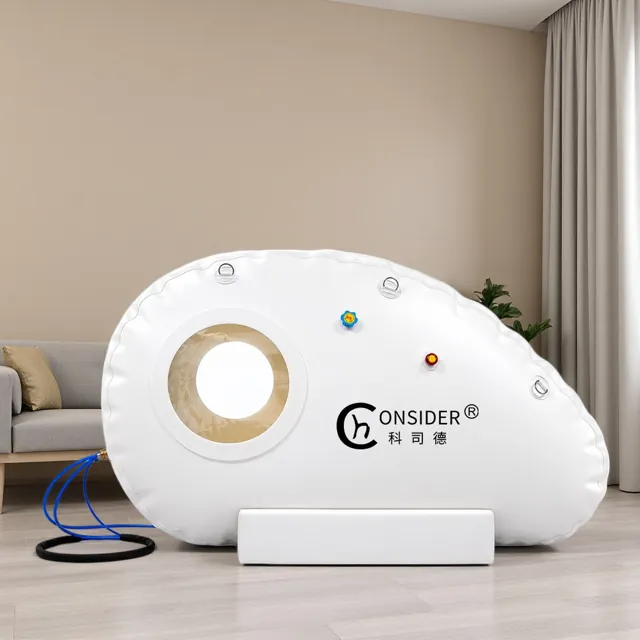
Soft chambers use medical-grade TPU with airtight, triple-sealed zippers over an internal support frame. They are light, foldable and installed by one person in a spare room — and folded away when not in use. The COSL15 and COSE15 are good examples of the soft family.
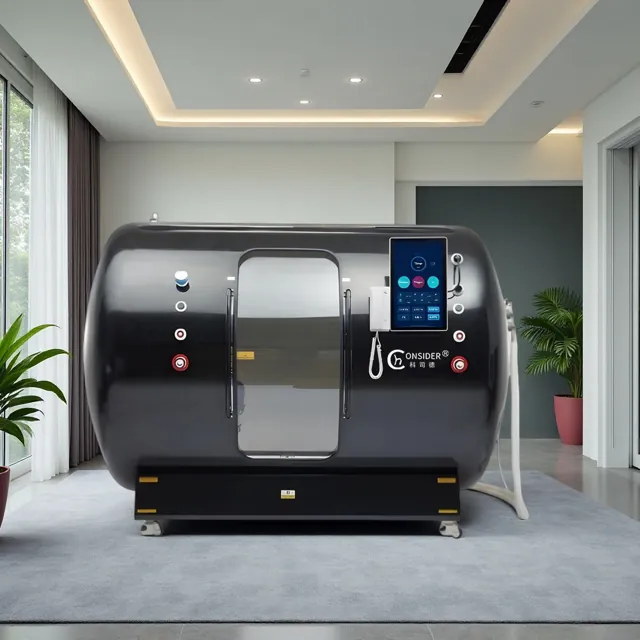
Hard-shell chambers are rigid carbon-steel or stainless-steel chambers on a wheeled base, professionally positioned in a fixed location. They feel like a permanent installation because they are one. The COHT20 single-person and COHB20 multiplace systems represent the hard-shell family.
Pressure and Capacity
Soft-shell hyperbaric chambers typically run at 1.3–1.5 ATA, though professional portable models like the COSL20 reach 2.0 ATA. They hold one user, or two in double and wheelchair models. Hard-shell systems reach 2.0 ATA and, in multiplace form, treat up to five users at once — the key to throughput in a busy facility. If pressure terms are new to you, see ATA pressure explained.
Soft-shell and Hard-Shell Chambers at a Glance
| Buying factor | Soft-shell chamber | Hard-shell chamber |
|---|---|---|
| Pressure | Typically 1.3–1.5 ATA; selected professional models reach 2.0 ATA | Up to 2.0 ATA, with model-specific operating controls |
| Delivery access | Portable cartons; easier to move through domestic access | Confirm doors, corridors, lift and positioning route |
| Room commitment | Can be folded or relocated after use | Dedicated operating position and service clearance |
| Daily workflow | Typically one-person operation | Operator controls and facility workflow |
| Capacity planning | One user; selected models fit two | Monoplace or up to five users |
| Ongoing care | TPU, zipper, hose and filter checks | Door seal, controls and scheduled system service |
| Investment drivers | Pressure, size and package | Vessel, controls, capacity, freight and commissioning |
Which Should You Choose?
Choose a soft-shell hyperbaric chamber if you want home wellness, recovery or a flexible system that can be installed and stored with less room commitment — start with chambers for the home. Choose hard-shell if you are equipping a clinic or facility and need clinic-grade 2.0 ATA pressure, operator controls or multi-user capacity.
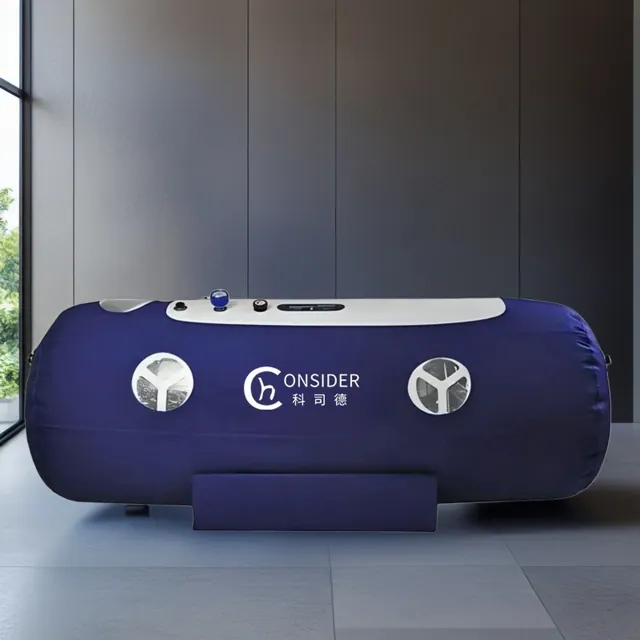
COSL15
Soft Lying Hyperbaric Chamber
1.5 ATA portable soft lying chamber for recovery studios, distributors and home channels seeking a spacious everyday-use format.
View details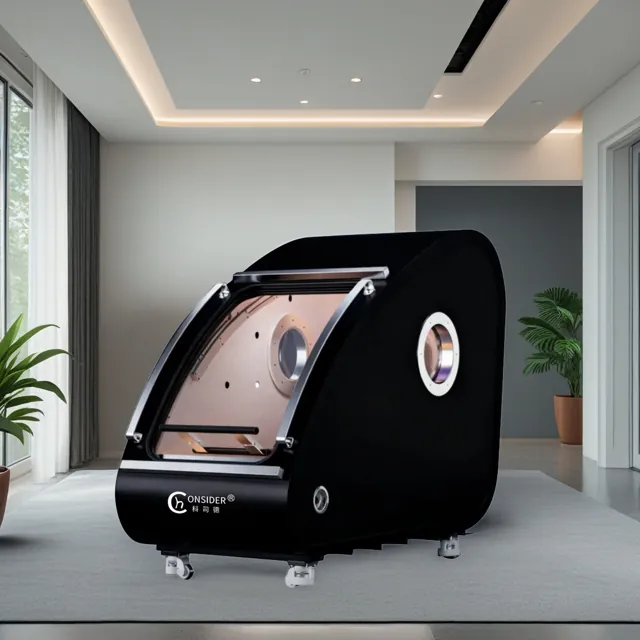
COHT20
Single-Person Hard Shell Chamber
1.5-2.0 ATA Q355 carbon-steel single-person sitting chamber with an integrated oxygen system for clinics and professional facilities.
View detailsStill deciding between single-person and multiplace on the hard-shell side? Read monoplace vs multiplace chambers, or tell us your space and volume and we will recommend a configuration.
Part of Buying guides.
Keep reading
Have a Question About Your Project?
Our team can recommend the right chamber for your market, space and pressure.