Basics · 3 min read
Hyperbaric Chamber Safety Checklist
Check chamber safety systems, prohibited items, ear equalization, stop conditions, supervision and routine maintenance before use.
Safe operation depends on both chamber engineering and a repeatable user checklist. Compare the pressure controls, communication and materials, then confirm what must happen before, during and after every session.
Pressure Safety
The most important safety systems manage pressure. Quality chambers include both manual and automatic safety valves, continuous real-time pressure monitoring inside and outside the chamber, and an emergency depressurization path so pressure can be released quickly and in a controlled way if needed.
- Manual safety valve
- Automatic pressure-relief valve
- Real-time internal and external pressure gauges
- Emergency / rapid depressurization
Communication and Supervision
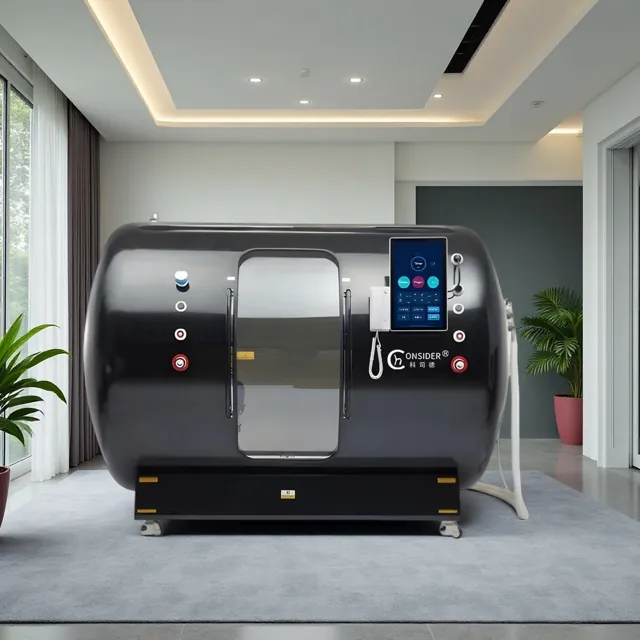
Being able to communicate is a safety feature in itself. Hard-shell chambers such as the COHT20 include a two-way intercom and dual internal/external controls, so an operator and the user stay in contact and either can manage the session. This is essential in clinical and rehabilitation settings.
Materials and Build Quality
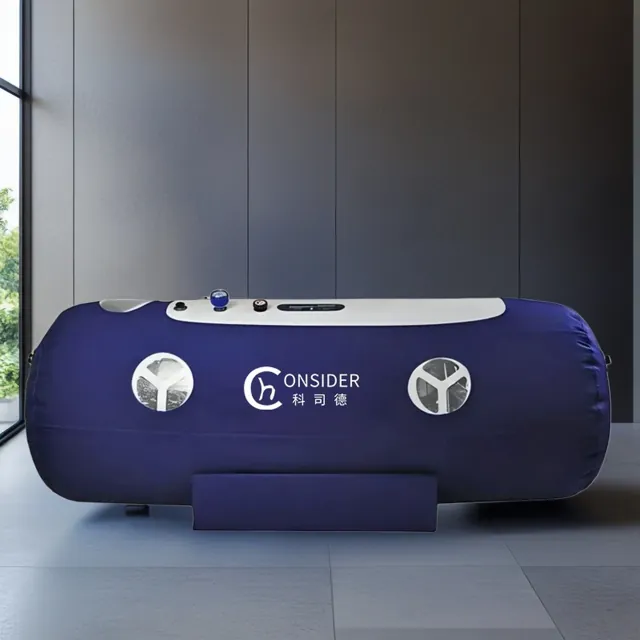
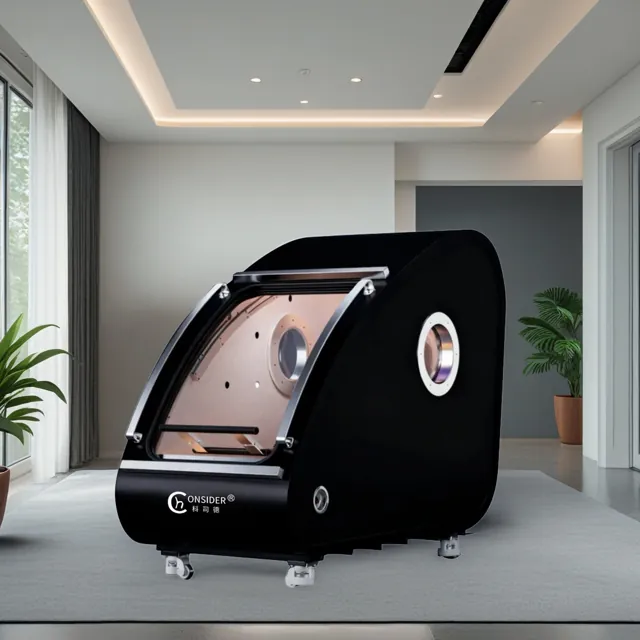
Safe long-term operation depends on materials. Soft chambers use high-strength medical-grade TPU with reinforced seams and heavy-duty airtight zippers; hard-shell chambers use carbon or stainless steel with high-strength viewing windows. Oil-free compressors keep the air clean and quiet.
Before Every Session
- Keep flames, cigarettes, vaping products, sparks and heat-producing devices away from the chamber and oxygen equipment
- Do not introduce oils, petroleum products or unapproved alcohol-based skin and hair products
- Bring only clothing, electronics and personal items permitted by the chamber manual or operator
- Inspect hoses, connectors, zippers or door seals; confirm gauges, valves and communication controls are ready
- Confirm that the user understands equalization, communication and emergency depressurization
During Pressurization and Use
Operate only within the rated pressure and follow the model manual. Equalize gently while pressure rises; slow or stop pressurization if the ears or sinuses do not clear. End the session and release pressure in a controlled way if the user develops chest discomfort, breathing difficulty, severe ear pain, confusion or another unexpected symptom. See what to expect during a session.
Health and Supervision Boundaries
Home and wellness operation is not the same as a medically directed protocol. Anyone with a medical condition, recent procedure, implanted device, pregnancy, respiratory concern or medication question should obtain appropriate professional guidance before use. Clinics should apply their own screening, staffing and local operating requirements.
After the Session
Wait until the chamber has fully returned to normal pressure before opening it. Record alarms, unusual pressure behavior, damaged seals or user discomfort, and remove the chamber from service until the issue is resolved. Keep inspection and servicing on the schedule in maintenance and care.
Support When You Need It
CONSIDER provides lifetime online technical support and remote troubleshooting, so help is available for any safety or operation question. Choosing your first chamber? The comfortable COSL15 and clinic-grade COHT20 both include full safety systems as standard.
Have a Question About Your Project?
Our team can recommend the right chamber for your market, space and pressure.